

Acne Concerns
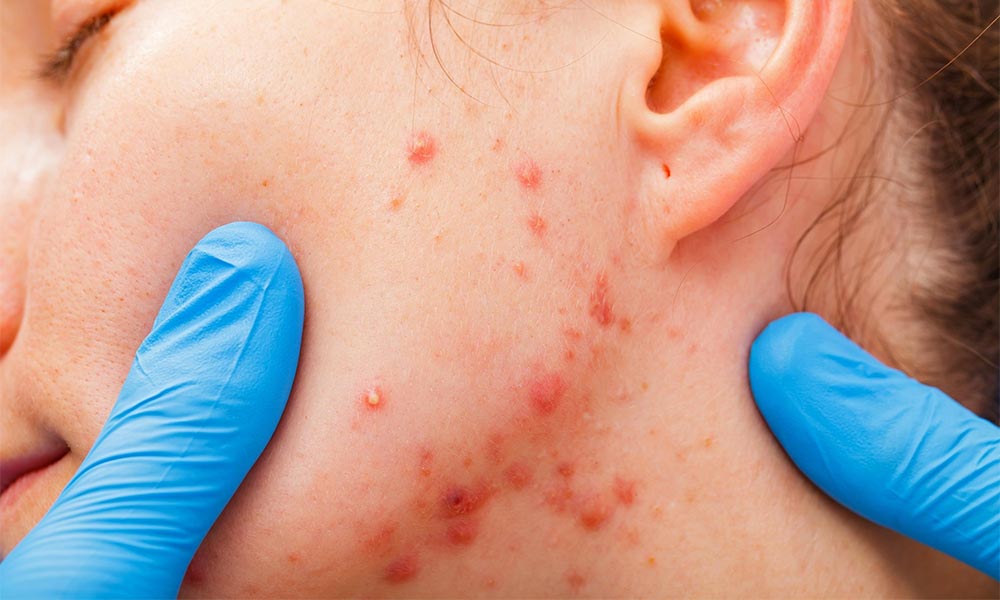
Acne & Acne Scarring can be a debilitating condition that can substantially impact one’s self confidence, leaving them insecure about their appearance.
Did you know there are different grades of acne based on its severity? There are also many different treatment options for acne. At CRC Geelong, we provide acne treatment in a variety of ways that can complement or add to your Doctor’s recommendations. Our fully trained and qualified dermal clinicians assess your condition and medical history at your initial consultation and then establish a tailored skin treatment plan suited to your skin and your skin goals.
ACNE FAQs
Acne is the number one skin condition diagnosed in young people under 25. Even with this in mind, there is a fair amount of misinformation available online about acne and how it can be treated.
Here are some answers to questions we are asked regularly:
What areas can be treated with Acne Treatments?
Anywhere on the face or body!
What causes Acne?
Acne can be caused by a multitude of factors such as hormones, diet, stress, and genetics. In most cases, an individual’s acne will be caused by a combination of these factors. Let’s take a bit of a deeper look at each of these factors.
Hormones
As we enter our teenage years our bodies begin to mature. This maturation also includes our skin, which starts producing oil from glands that develop during adolescence. It is these glands that can turn into acne. This is why traditional acne does not begin until the teenage years.
In women, the fluctuation in their hormones during their monthly menstrual cycle can also lead to a sudden increase in acne. It is for this reason that many doctors prescribe young women the contraceptive pill. The pill serves to regulate hormone levels and limit the onset of acne.
Diet
Some studies suggest that a low-glycemic diet, or reducing the amount of processed and sugary foods you eat, may have some benefits for a reduction in acne.
Stress
During times of heightened stress, our bodies respond by producing more hormones (androgens) and inflammation. Both of these responses can lead to a sudden breakout of acne. If you suffer from acne it is important to avoid high levels of emotional and physical stress.
Genetics
Unfortunately, if your Mum, Dad, or siblings have suffered from acne it is more likely you may too. Obviously, there is very little you can do to change your genetics, but that is why a proper skin care program and managing other factors like stress and diet are extra important.
Are there different types of Acne?
Yes, there are actually 4 different types of acne. All acne begins with the blocking of your body’s pores, the sebum (oil) from these pores then becomes stuck and bacteria begins to cultivate.
The 4 types of acne are:
Whiteheads
A whitehead is formed when the sebum and bacteria is trapped below the surface of the skin.
Blackheads
A blackhead is formed when the sebum oxidises at the opening of the pore.
Papules
A papule is formed when the walls inside the pore are broken and white blood cells enter to try and fight the bacteria that has grown. This causes an inflammation in the skin, which turns red. A papule rarely has a head on it, but will be characterised as a raised red area of skin around the pore.
Pustules
A pustule is the later stages of a papule. Once the white blood cells reach the surface of the skin they can be visible as a white zit or pimple.
Where can Acne appear on the body?
Acne is more likely to appear on parts of your body where more sebaceous glands can be found. Areas such as these are typically your face, chest, and back. However, it is possible for acne to appear on any part of the body, such as arms, legs, neck, and genitals. It all depends on the number of sebaceous glands you have and this can vary from individual to individual.
How can I prevent Acne?
When it comes to acne treatment, prevention is often the best way to minimise breakouts. Prevention can include:
- Give your skin a chance to breathe by not wearing heavy makeup every day. For the days you do wear makeup, make sure it’s a non-oily and high-quality one that does not irritate your skin.
- Remove your makeup with a medical-grade cleanser every day.
- Never go to sleep with your makeup on.
- Don’t pick your acne. This can cause the bacteria to spread and lead to more breakouts.
- Limit your stress. You can do this by taking just 1 hour of your day to relax and unwind. Try meditation, it can be an amazing tool for some people.
- A combination of clinical skin treatments and medical-grade skincare products can achieve optimum results. These are best prescribed by a qualified dermal clinician who will tailor a program that is best suited to the severity of your skin’s condition.
Why should Acne be treated?
Aside from the self-esteem issues caused by acne, leaving it untreated can lead to skin infections and increase the chances of acne scarring.
What are Acne Scars?
Acne scars occur when there is a significant tear in the follicle wall from a papule or pustule. This tear causes the bacteria within the pore to spill out and degrade the surrounding tissue. The skin tries to repair itself by producing new collagen fibre. However, this new skin is not as smooth or flawless as the original skin and is thus referred to as acne scars.
THE CRC APPROACH TO ACNE TREATMENT
Depending on the severity of the acne, we frequently recommend treatments such as the Kleresca Acne Program, Microdermabrasion treatments, Chemical Peels, and Carbon Laser Peel. However, as each individual’s skin is different, sometimes a combination of different treatments or prescribed skin care may be required to achieve optimum results.
CRC’s highly qualified dermal clinicians will advise you on how to treat your acne and achieve and maintain clear skin. In most cases, this will also include a home-based skincare regime, using medical-grade skincare products. All recommendations and treatment plans are designed to complement and work alongside any prescribed acne medications from your Doctor or Dermatologist.

Book an appointment with Hayley today!
All consultations cost $50.00 and are performed by our experienced dermal clinicians.
Treatments For Acne
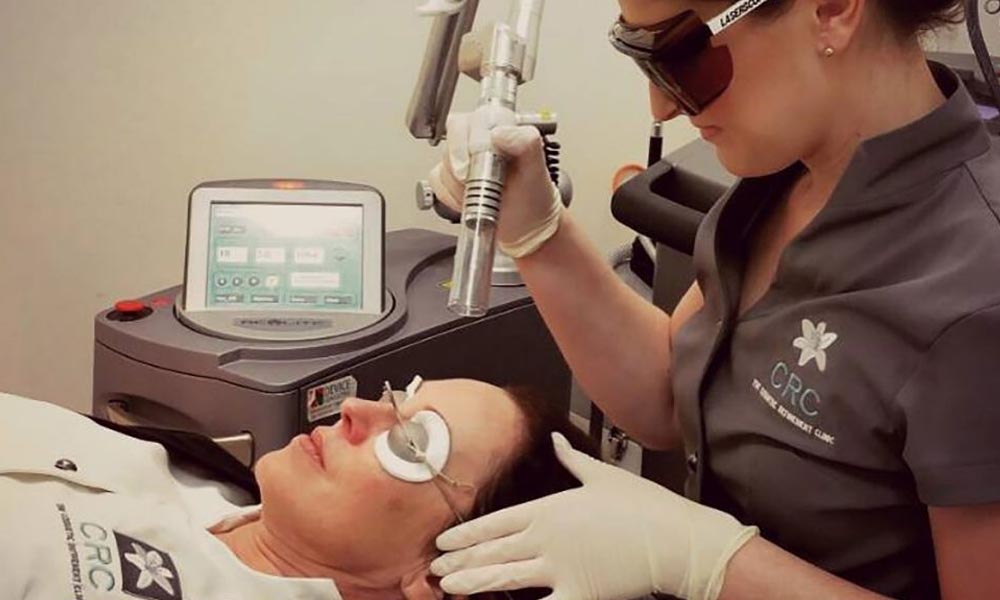
Refine Rejuvenation Laser
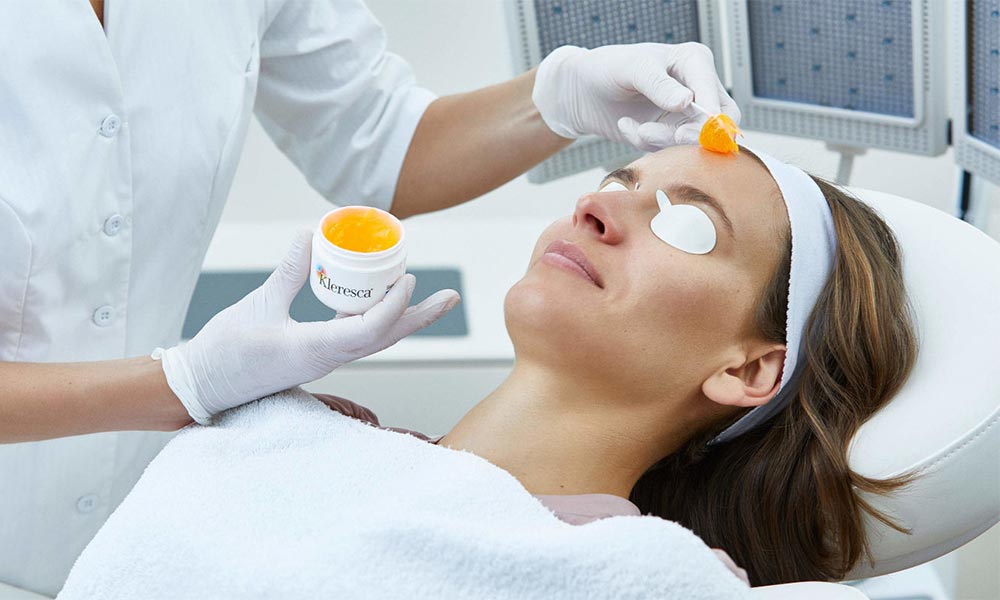
Kleresca
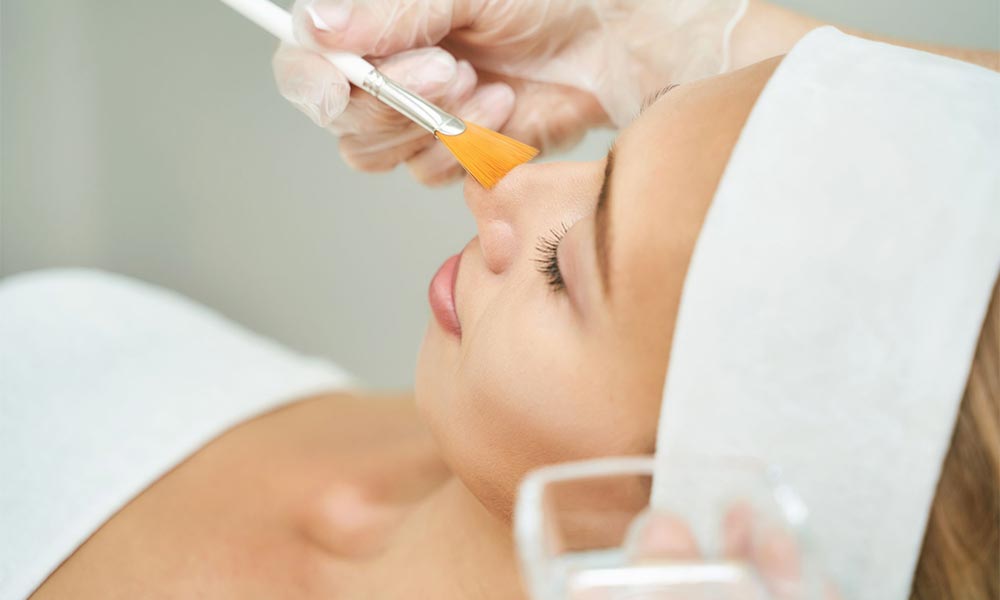
Skin Peels
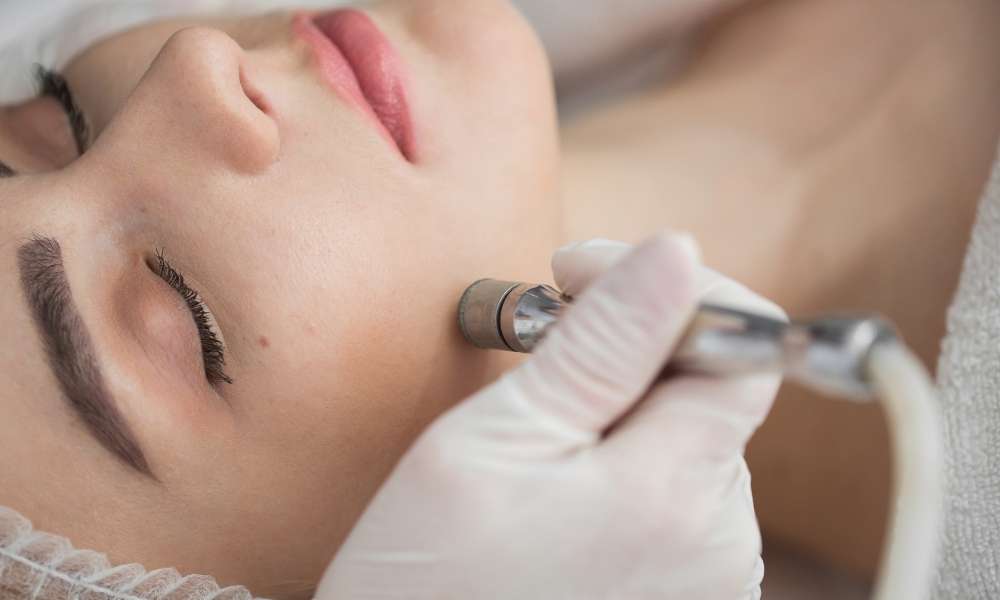
Microdermabrasion
Related Products
-
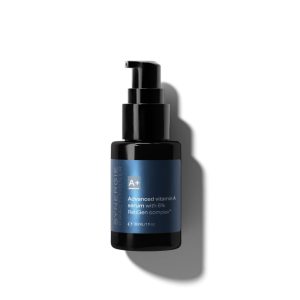
A+
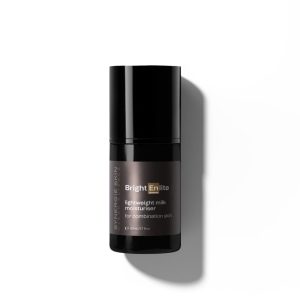
BrightEnlite
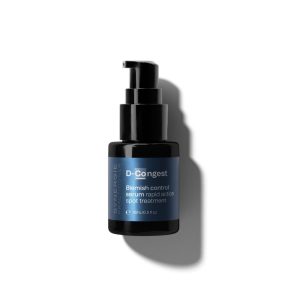
D-Congest
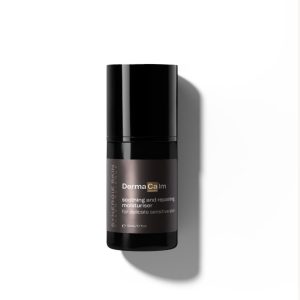
DermaCalm
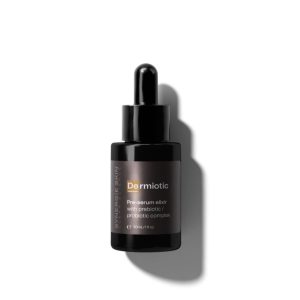
Dermiotic
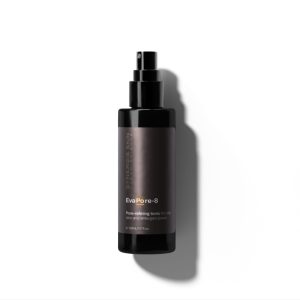
EvaPore-8
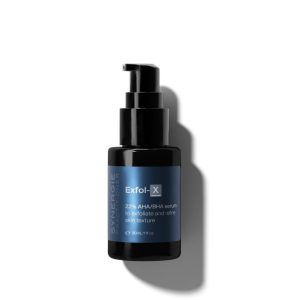
Exfol-X
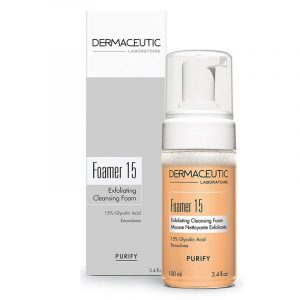
Foamer 15
$91.00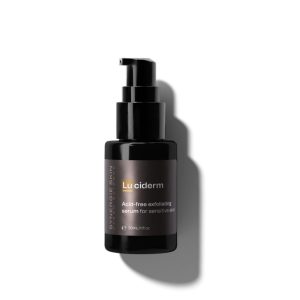
Luciderm
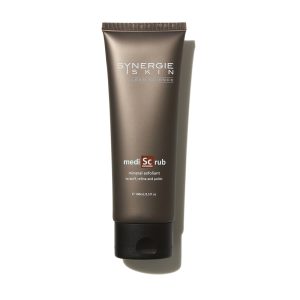
MediScrub
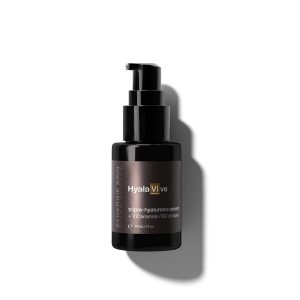
HyalaVive
MediScrub
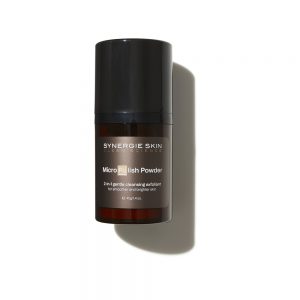
MicroPolish Powder
EnviroVeil
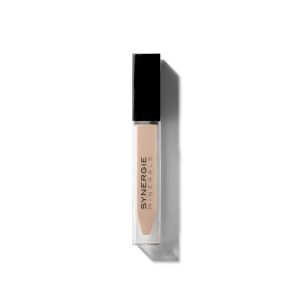
LiquiDew
related
Refine Insights
3 Best Ways to Treat Acne Scars
read moreDid you know that one out of five people who have suffered from acne develop scars? Getting an acne scar means that the normal tissue of your skin was destroyed and replaced with fibrous tissue. Many factors contribute to the severity and number of acne scars that you...
Managing Teenage Acne: How a dermal clinician can give you answers to clear, healthy skin.
read moreAcne in teenagers is a common concern. On a weekly basis, we are visited by parents and their child seeking professional treatment or help managing teenage acne. Generally, the client has tried all and sundry – from over-the-counter lotions and cleansers to prescribed...
Clinical Skin Treatments VS Roaccutane for Acne Management
read moreNearly all of us at some point in time have experienced acne. For most people, it develops in our early teenage years, as we progress through puberty and our hormone levels begin to change. However, this is not the case for everyone. In some cases, some people can...
latest
Specials
The clinic runs different skin treatment and/or skincare specials and promotions throughout the entire year.
These promotions are usually updated at the start of each new season; summer, winter, autumn, spring.
save with our
Packages
Many of our skin treatments and skincare programs require multiple appointments to achieve the transformational and long lasting results you are looking for.
Pre-booking our packages allows you to save on cost and lock in your sessions.