




Melasma & Other Pigmentation Conditions
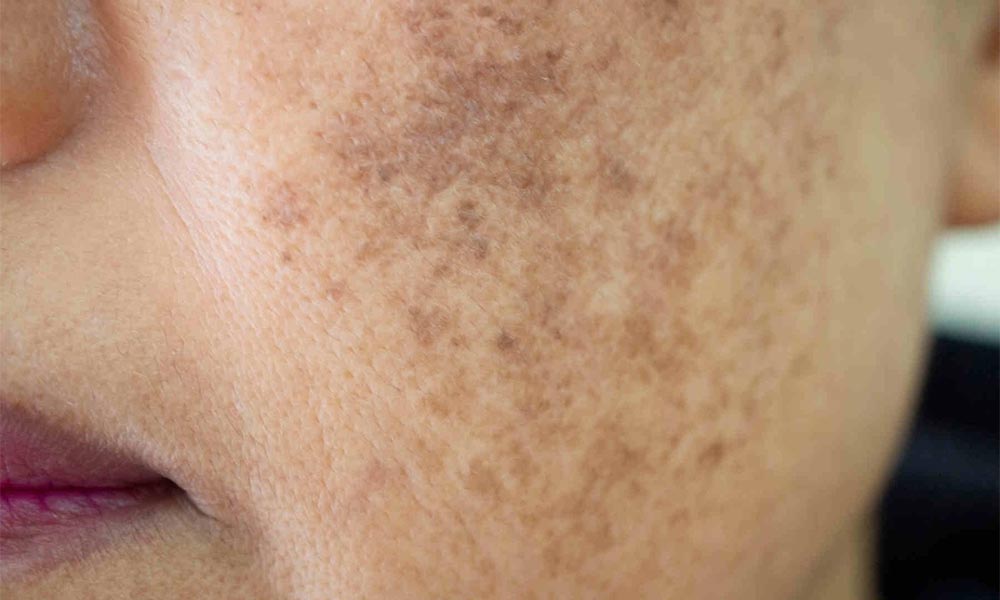
Skin pigmentation can have a significant impact on self-confidence and there are several factors that cause it. Fortunately, there are also several treatment options to minimise its appearance.
Primarily pigmentation is formed based on a person’s genetic background, which is a result of both biological parents’ genetic makeup. The other way in which an individual can produce pigment is through direct exposure to ultraviolet (UV) in particular UVB light. This exposure to UVB increases the production of specific pigment cells to produce melanin commonly known as “melanogenesis”. This is the skin’s way of protecting itself from the harmful rays produced by the sun. The result from this is commonly seen as the development of freckles and other small-pigmented lesions.
In this section on pigmentation concerns we are going to predominantly discuss the main pigmentation condition that we frequently see in the clinic, Melasma.
What is Melasma?
Melasma is a chronic skin condition that causes symmetrical blotchy, brownish pigmentation patterns on the surface of the skin. In most cases, Melasma commonly appears on the face in a “centrofacial pattern”, presenting on the forehead, cheeks, nose and upper lip. However, in fewer cases Melasma can affect any part of the body.
Melasma is more common in women than in men with an onset of this condition usually presenting between the ages of 20 and 40 years.
What Causes Melasma?
There are many factors that have been linked to contributing to the exacerbation of this condition. These can include:
- Genetic Predisposition
- Sun exposure and Sun damage
- Hormonal factors such as pregnancy
- Certain Medications- such as the contraceptive pill and cancer medications
How is Melasma Treated?
Melasma is a difficult condition to treat as it is easily aggravated by sun exposure and hormones. Due to this, complete eradication of this condition is almost impossible. However, here at CRC we do offer a few treatment options that have scientifically been proven to help minimise its appearance.
We recommend that you come in for a consultation with one of our experienced dermal clinicians to determine an appropriate treatment plan. Depending on its severity, you may be prescribed a topical ointment to apply to the area of concern. This cream acts as a bleaching agent, as well as assisting in stopping the over-production of pigmented cells responsible for the onset of this condition.
Other treatment options for Melasma/Skin Pigmentation:
Chemical Peels
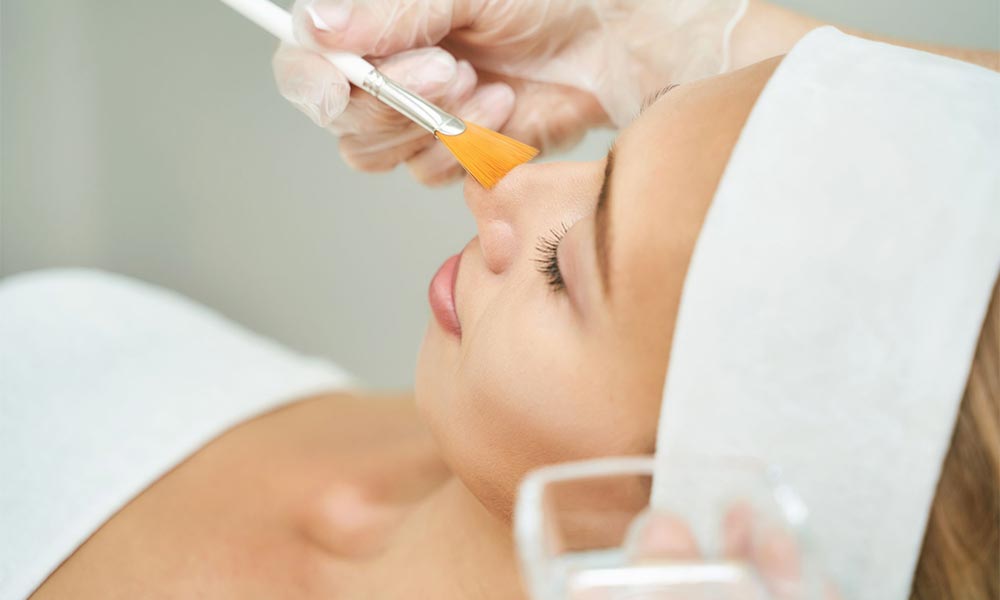
These are designed to assist in lifting any superficial pigment that begins to arise to the surface of the skin following the application of the topical ointment. These need to be performed monthly and are at a cost of $87.00 per treatment.
Laser Therapy
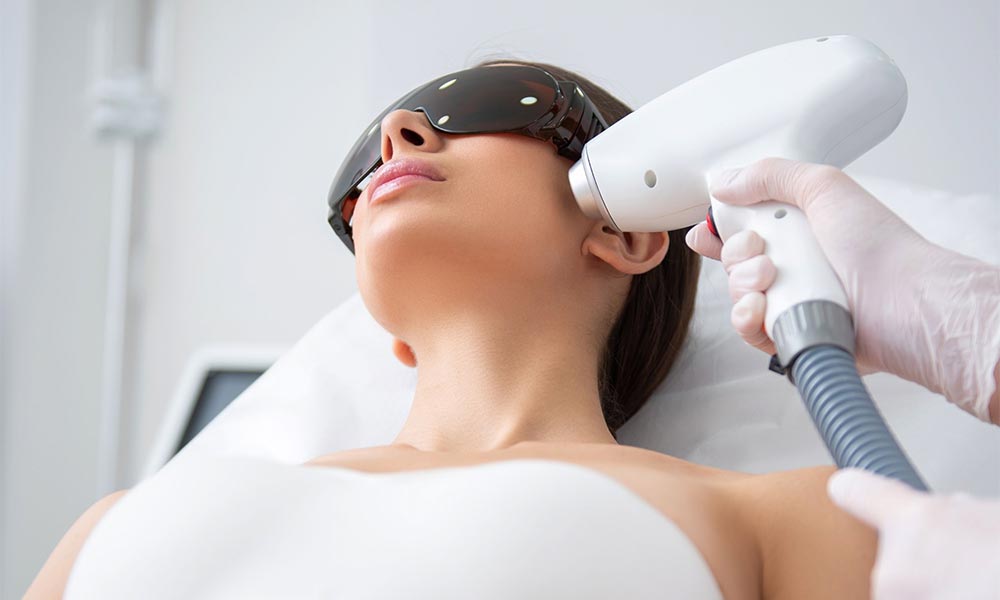
Q-Switch laser is a safe and highly effective approach in treating melasma. Q-Switch lasers work by emitting wavelengths of light at fast, short intervals of energy resulting in producing a “photoacoustic response”. This response causes the pigment to shatter into finer, pigmented granules allowing the body’s lymphatic system to eliminate the unwanted pigment.
To see what treatment option would best treat your melasma, give the clinic a call to schedule a consultation appointment.
We look forward to helping you on your skin care journey.

Book an appointment with Hayley today!
All consultations cost $55.00 and are performed by our experienced dermal clinicians.
Treatments For Skin Pigmentation
Laser Therapy
Skin Peels
Related Products
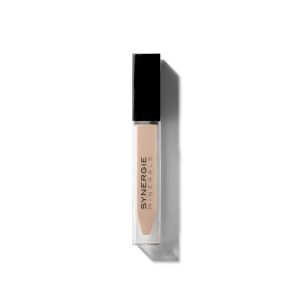
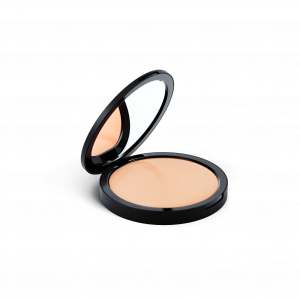
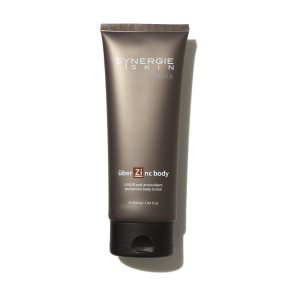
related
Refine Insights
A Comprehensive Guide to Ultherapy
Ultherapy using HIFU (High-Intensity Focused Ultrasound) is an effective non-surgical facelift treatment that lifts and tightens the skin on the face, neck and decolletage. This treatment is gaining popularity because it offers a non-invasive alternative to surgical facelifts and produces stunning, natural-looking results.
Good things come to those who cleanse…
2020 gifted us all with more time (perhaps a bit too much?) to prioritize self-care. With nowhere to be, I flirted with the possibility of make-up free days – an event which would have previously incited crippling anxiety and last-minute sprints to the bathroom to...
Notox – the no needle option to anti-ageing
Need a skin refresh without cosmetic injectables? Here are some alternative dermal treatments offered by CRC Geelong leaving your skin feeling refreshed and you looking rejuvenated. Fine lines and wrinkles are creeping in and you have a fear of needles? Try these...
latest
Specials
The clinic runs different skin treatment and/or skincare specials and promotions throughout the entire year.
These promotions are usually updated at the start of each new season; summer, winter, autumn, spring.
save with our
Packages
Many of our skin treatments and skincare programs require multiple appointments to achieve the transformational and long lasting results you are looking for.
Pre-booking our packages allows you to save on cost and lock in your sessions.