

Rosacea & Other Vascular Conditions
Cosmetic Refinement Clinic Geelong provides a comprehensive range of treatments for Rosacea.
Rosacea is a chronic inflammatory skin condition that affects more than 350,000 Australians. If you are looking to safely and effectively reduce the appearance of rosacea, trust our expert team at the Cosmetic Refinement Clinic.
What is Rosacea?
Rosacea is a chronic inflammatory condition that affects around 1.4% of the population in Australia, roughly 350,000 people. In most cases, Rosacea develops between the ages of 30 and 50 years. It is more common in people with a lighter skin tone and blonde hair. While women are more likely to develop rosacea, men generally experience more severe symptoms.
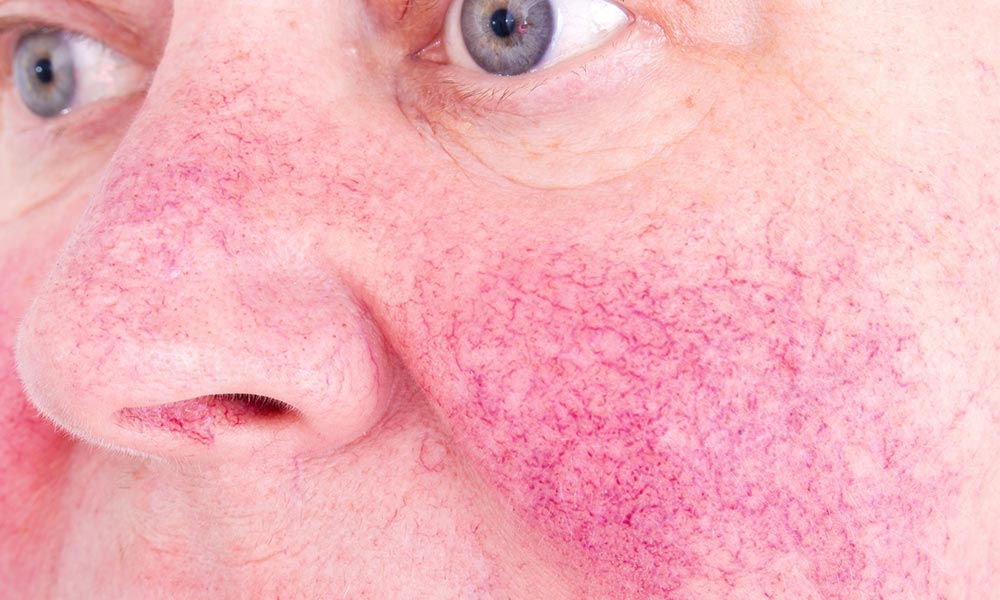
Rosacea is characterised by:
- Transient recurrent “flushing”
- Persistent facial erythema (redness)
- Presence of telangiectasia
- Papules and pustules
- Burning/stinging sensation
- Dry/scaly skin
- Skin thickening
- Swelling
It is more commonly identified on the central part of the face (forehead, nose, cheeks and chin) but can develop on other parts of the body.
What causes Rosacea?
With the exact cause of Rosacea still not medically identified, research suggests that a combination of etiological factors are linked to the exacerbation of this condition.
These include:
- Genetics – hereditary
- Hormonal imbalances – menopause, pregnancy
- Environmental factors such as spicy foods, alcohol, hot showers, exposure to extreme temperatures, UV and harsh products
- Medications
- Presence of Microbial Intrafollicular mites
Rosacea can be further classified into four categories. The most common subtype is erythematotelangiectatic rosacea. This is associated with flushing, facial redness, and the visible appearance of blood vessels. The other subtypes are papulopustular rosacea, rhinophyma, and ocular rosacea.
Rosacea can negatively impact a person’s confidence and if left untreated the severity of this condition often increases overtime. If you suffer from rosacea, the good news is that several treatment options are available to effectively and significantly treat the signs and symptoms associated with this condition as well as prevent its reoccurrence in the future.
Treatment Options For Rosacea
Laser Treatments
Here at the Cosmetic Refinement Clinic, we use medical-grade lasers to treat a range of conditions, including rosacea. Medical-grade lasers are a common and highly effective treatment option to address many vascular conditions.
How many treatments are required and what is the cost?
On average, three treatment sessions are usually required and can be performed in four week intervals. A full face dermal laser treatment is around $300 to $350.00, depending on what’s involved with the treatment. However, price is always determined upon your initial consultation.
Kleresca
Kleresca utilises fluorescent light energy in order to effectively reduce flushing, redness, and pimples associated with rosacea. This particular treatment is unlike no other as not only does it treat the common signs of rosacea but it also helps treat the sting and the itch rosacea sufferers can also experience with this condition.
Kleresca works to kill underlying bacteria, responsible for the exacerbation of acne. It also helps to reduce inflammation, normalise cellular activity, increase collagen production, include cellular repair, and improve the appearance of acne scarring.
Each Kleresca treatment session takes approximately 45 minutes and involves applying a topical gel to the targeted area. A multi-LED lamp is then placed over the gel and is programmed for a 9-minute cycle. At the end of treatment, post-care products are applied.
As a non-invasive treatment, Kleresca is pain-free, and there is no damage to the skin’s natural barriers. Side-effects to this treatment are minimal; in some cases, the skin may appear red or flushed, though this will generally disappear within 24 to 48 hours after treatment.
Following the first treatment session, notable improvements in skin condition will be visible. The Kleresca Rosacea program is made up of 6 treatments performed weekly. Following the completion of the program, the skin continues to improve over time, with long lasting results.
Skin Peels
Mild Salicylic Acid based chemical peeling treatments (under 30% salicylic acid) has medically been proven to break down inflammation, underlying bacteria as well as strengthen the skin’s barrier.
How Long To See Results
The length of time required to see results depends on the type of treatment that you choose. Our advanced laser therapy, Kleresca treatment, and chemical peels are all different, though results will start to be visible following the first treatment session and become more noticeable following each subsequent session.
The severity of each case will also determine the number of treatment sessions required. During your consultation, our dermal clinicians will advise you on the best treatment method and the number of sessions that may be required for the best results.
Are The Results Permanent?
With regards to laser treatment for rosacea, results can last for several years. Over time, you may notice that the results begin to fade. Top-up treatments can be carried out from time to time in order to maintain the desired appearance.
Fully Trained Dermal Clinicians for Your Safety
All of our staff are fully qualified dermal clinicians who are trained using the most recent technologies available in the treatment of rosacea.
At Cosmetic Refinement Clinic in Geelong, you can rest assured that you are being treated by a professional and highly experienced team that understands the most effective treatments that are currently available for the treatment of rosacea.
Book Your Initial Consultation to See What Rosacea Treatment Is Right for You
To determine which treatment pathway may be right for you, we recommend a skin analysis consultation. This will ensure that optimal results are achieved. All consultations cost $50.00 and are performed by our experienced dermal clinicians. This cost of the consultation is waived when any skincare is purchased at the time of the appointment.
Book an appointment with Hayley today!
All consultations cost $55.00 and are performed by our experienced dermal clinicians.
Treatments For Rosacea & Other Vascular Conditions
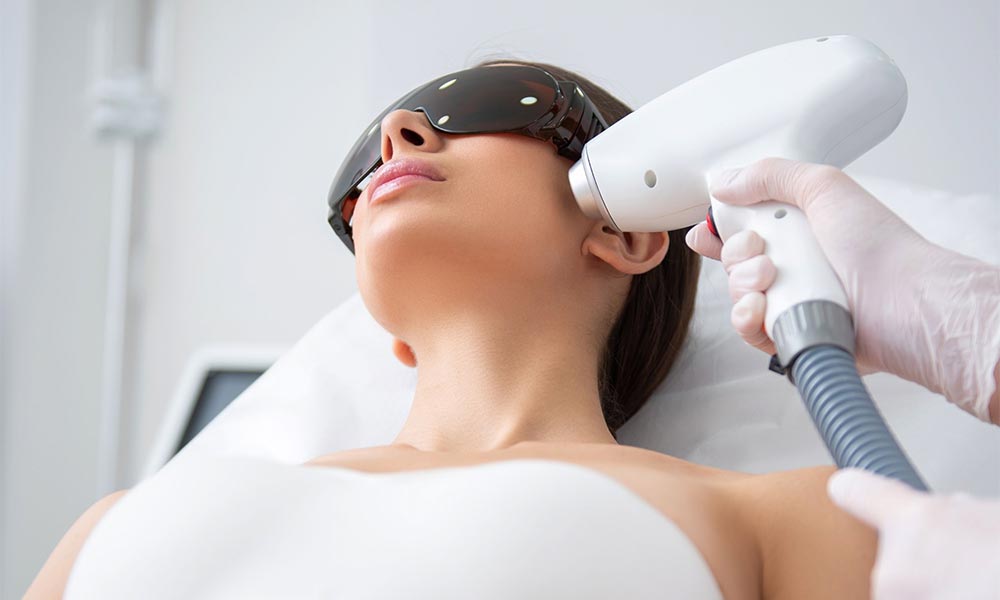
Laser Therapy
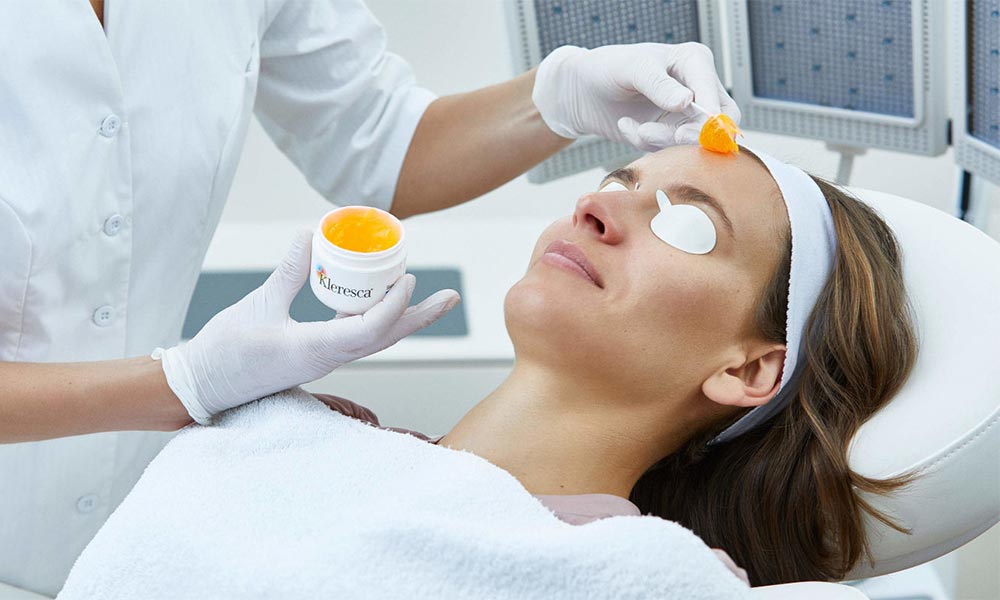
Kleresca
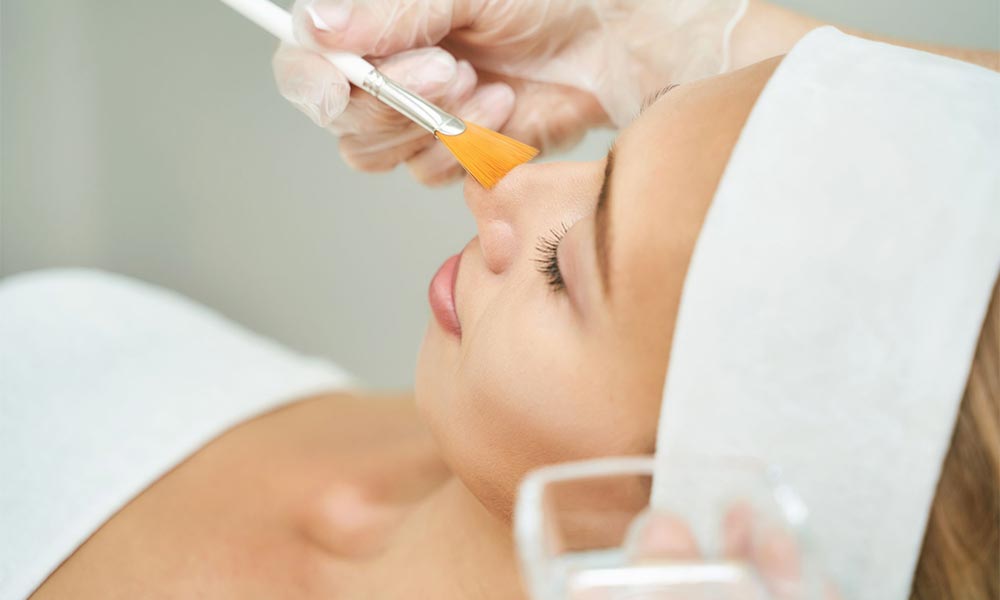
Skin Peels
Related Products
related
Refine Insights
A Comprehensive Guide to Ultherapy
Ultherapy using HIFU (High-Intensity Focused Ultrasound) is an effective non-surgical facelift treatment that lifts and tightens the skin on the face, neck and decolletage. This treatment is gaining popularity because it offers a non-invasive alternative to surgical facelifts and produces stunning, natural-looking results.
Good things come to those who cleanse…
2020 gifted us all with more time (perhaps a bit too much?) to prioritize self-care. With nowhere to be, I flirted with the possibility of make-up free days – an event which would have previously incited crippling anxiety and last-minute sprints to the bathroom to...
Notox – the no needle option to anti-ageing
Need a skin refresh without cosmetic injectables? Here are some alternative dermal treatments offered by CRC Geelong leaving your skin feeling refreshed and you looking rejuvenated. Fine lines and wrinkles are creeping in and you have a fear of needles? Try these...
latest
Specials
The clinic runs different skin treatment and/or skincare specials and promotions throughout the entire year.
These promotions are usually updated at the start of each new season; summer, winter, autumn, spring.
save with our
Packages
Many of our skin treatments and skincare programs require multiple appointments to achieve the transformational and long lasting results you are looking for.
Pre-booking our packages allows you to save on cost and lock in your sessions.